Yorkshire Lifeguards works alongside leisure centres, pools, holiday parks, open-water venues, schools and community organisations to support lifesaving, lifeguarding, first aid and water safety development. We help create practical next-step opportunities that complement existing programmes and support safer, more confident communities.
This page is for leisure managers, aquatic coordinators, school leaders, holiday park operators, open-water venue managers, community organisations and coastal safety partners who would like to explore whether a Yorkshire Lifeguards course, session or pilot could add value.
Every venue has its own operating model, programme timetable, safeguarding framework, risk assessments, staffing arrangements and available space. We begin by understanding those realities first.
We begin with the venue’s priorities, capacity and operating model, then explore whether a small, useful and safely managed activity could add value for both sides. That might involve pool time, open-water venue time, classroom space, staff first aid training, water safety activity or simply a signposting route for confident swimmers.
Working around your existing provision. We are not asking venues to replace existing swim schools, swimming clubs, staff training arrangements or programme priorities. Any discussion would be shaped around available space, demand, safeguarding, risk assessment, staffing and what genuinely works for the venue.
Yorkshire Lifeguards is not a general swim school or swimming club. Our role is to support the next step for confident swimmers — helping them progress into lifesaving, water safety, lifeguard preparation, first aid and coastal safety. This can sit alongside existing swimming lessons, swimming clubs and leisure programmes without competing with them.
We support confident swimmers who are ready for the next step after lessons or club swimming. The aim is to help them progress into lifesaving, water safety, first aid and lifeguarding while respecting your existing programme space, lane allocation and operational priorities.
Any activity we develop with a venue must fit their programme, operating procedures, safeguarding policies, risk assessments, insurance framework, staffing model and available time. We work within your structure, not around it.
We prefer starting small and building carefully. A pilot that works for both parties is worth far more than an ambitious programme that creates problems. Example starting points might include a short Rookie Lifeguard taster block, a water safety session for families, a first aid course for staff, an NPLQ preparation group, a dry-side lifesaving session, or a simple signposting arrangement for confident swimmers ready for their next step.
We are open to different kinds of venue relationship depending on what fits the venue, where genuine demand exists and what can be delivered safely and responsibly.
Pool-based activity could include Rookie Lifeguard, National Lifesaving Academy, lifesaving sport preparation, NPLQ preparation or NPLQ delivery — where appropriate. All activity is aligned with recognised RLSS pathways and delivered only where the setting, staffing, timetable and safety arrangements are suitable.
Open-water venues are suitable for Open Water Lifeguard training and preparation — approached with full risk assessment, appropriate safety arrangements and RLSS alignment.
First aid training, water safety theory, lifesaving knowledge sessions and RLSS qualification theory components can often be delivered in classroom or dry-side settings — useful for venues with limited wet-side availability.
Through Bluewatch Training, we can offer professional first aid courses for venue staff, management teams and wider workforces — including Emergency First Aid at Work, First Aid at Work, Paediatric First Aid and AED training.
Schools, youth groups and community organisations can be connected to venue-based water safety sessions — building local safety culture and extending the reach of a venue's community value.
Venues may simply be willing to signpost suitable swimmers or staff toward Yorkshire Lifeguards programmes. That referral relationship alone creates value — a future lifeguard pipeline that benefits the venue as much as the individual.
Through Bluewatch Training, as an RLSS Approved Training Provider, we can support venues with ongoing staff training sessions, RLSS-aligned training content, attendance records, qualification-expiry awareness and training registers — providing evidence for managers, audits and operational assurance across one or more sites. Find out more →
A venue that works with Yorkshire Lifeguards is supporting community safety, future workforce development and a stronger local progression route for confident swimmers.
Young people progressing through the Yorkshire Lifeguard Academy pathway may become the future pool, beach and open-water lifeguards of this region. Venues that support the pathway may be helping to develop their own future aquatic workforce over time.
Water safety education benefits everyone who uses a venue — not just programme participants. A venue that takes water safety seriously has a story worth telling to its users, its funders and its community.
Many swim school graduates do not have anywhere meaningful to go next. Yorkshire Lifeguard Academy gives them a credible, qualification-based next step — without competing with the swim school that developed them.
Hosting lifesaving, water safety or first aid development on your premises connects your venue to something meaningful for the local community — especially relevant for leisure trusts, holiday parks and community operators.
Through Bluewatch Training, we can support venue staff with first aid at work, AED and safety training — helping venues meet statutory obligations and build a more safety-aware team.
Bluewatch Training can keep lifeguards, first aiders and rescue-trained staff current, competent and audit-ready — with planned training sessions, qualification-expiry awareness, training registers and evidence for managers and operational assurance, for single sites or across multiple venues.
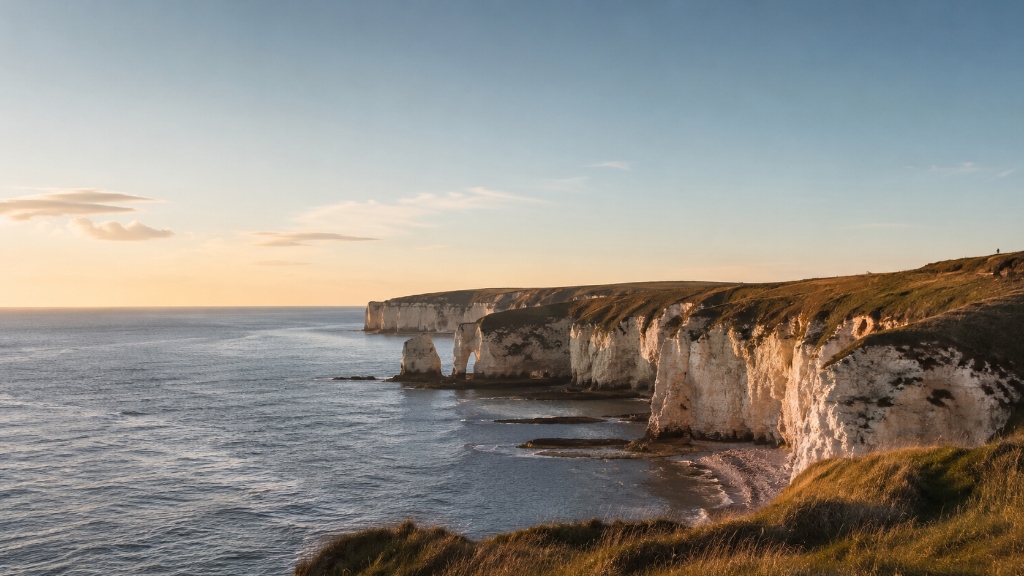
Yorkshire Lifeguards is built for this coastline and these communities. We are not a national franchise or an imported model. Any activity we develop is designed around the specific geography, venues and people of the Yorkshire coast — beginning with Whitby, Scarborough, Filey and Bridlington.
Lifesaving, water safety and first aid activity can help venues demonstrate community impact, youth development, safety leadership and local partnership value — useful for leisure trusts, schools, holiday parks, funders and community-facing operators.
What we may ask to explore. Depending on the conversation, we may ask about available space, suitable times, safeguarding requirements, venue procedures, insurance expectations, target audience, likely demand and who would need to approve any pilot. We would not expect a venue to commit before those details are understood. All activity would be agreed in writing before delivery, including responsibilities, supervision arrangements, safeguarding expectations and risk assessment requirements.
We hold the right affiliations and approach every conversation with the seriousness a venue relationship demands.
Yorkshire Lifeguard Academy holds RLSS Accredited Club status — the recognised RLSS standard for clubs delivering Rookie Lifeguard, National Lifesaving Academy and lifesaving progression.
Bluewatch Training holds RLSS Approved Training Provider status and supports professional first aid and safety training for individuals and organisations. Aquatic lifeguard qualification pathways are presented through Yorkshire Lifeguard Academy.
East Riding Surf Life Saving Club is affiliated to Surf Life Saving Great Britain — the recognised national body for surf lifesaving, connecting the club to national standards and competition pathways.
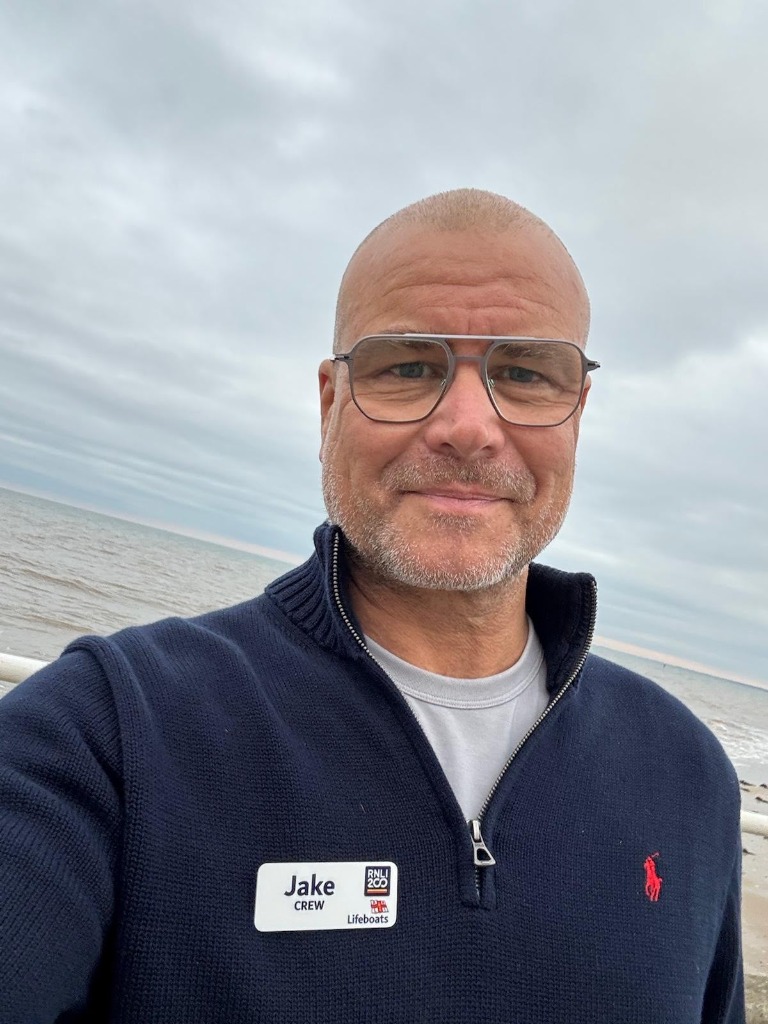
Founder Jake Bennett volunteers as Lifeboat Operations Manager at RNLI Bridlington — in a personal capacity. That operational experience at sea-level informs how Yorkshire Lifeguards approaches safety, risk and coastal community.
Yorkshire Lifeguards and Bluewatch Training are built around recognised RLSS UK delivery roles, clear course administration and appropriate quality assurance.
For regulated RLSS UK qualifications, course delivery is supported by suitably qualified Trainers, Assessors and Internal Quality Assurers, according to the requirements of the qualification being delivered.
Qualified to deliver training courses to candidates enrolled on an RLSS UK qualification.
Trainers are responsible for teaching the required course content, developing candidates' skills and preparing learners for assessment in line with RLSS UK guidance, course rules and qualification requirements.
Qualified to assess candidates and ensure they have met the standards required to pass the award or qualification.
Assessors provide independent assessment against the required standard, helping ensure candidates are only certificated when they have demonstrated the knowledge, skills and competence required.
Responsible for checking that training and assessment activity is being delivered in line with RLSS UK requirements, centre/provider procedures and relevant qualification guidance.
Internal quality assurance helps maintain consistency, fairness and confidence in the way courses and assessments are delivered.
For venues, employers and candidates, this means Yorkshire Lifeguards is not simply offering informal lifesaving activity. We are building a properly structured training model with recognised roles, course records, assessment standards, quality assurance and responsible oversight.
Any Yorkshire Lifeguards activity at or with a venue would be designed to support, not replace, the venue’s own operating procedures, supervision arrangements, risk assessments, emergency plans, safeguarding policies or staffing model.
We understand that venues carry their own duty of care, their own regulatory requirements and their own responsibilities to staff, users and local authorities. Our role is to fit within that structure carefully and professionally — not to make it more complex or create additional risk.
Where a pilot or course is developed, appropriate documentation, risk assessment, safeguarding arrangements, course requirements and responsibilities would be agreed in writing before delivery begins.
"I am not coming to a venue with a fixed demand. I am asking whether, if there is interest from young people and families who want to progress beyond swimming lessons into lifesaving, water safety and lifeguarding, you would be open to a conversation about whether and how that could work. We start there."
Use the form below or contact us directly. Tell us who you are and your venue. No commitment required at this stage — just a first introduction.
We talk through what Yorkshire Lifeguards is building, what might be relevant for your venue, and what a low-risk starting point could look like. No sales pitch. No pressure.
If there is potential, we look at demand, suitability, scheduling, safeguarding requirements, risk and logistics — properly and carefully, not in a rush.
Where demand exists and logistics work, we explore a small, defined pilot. We agree what it looks like, how it is managed, what success means, and what happens next.
Whether you manage a leisure centre, pool, holiday park, open-water venue or community facility — we would be glad to hear from you. No commitment. Just a conversation.