
Beach Lifesaving Preparation
Coastal rescue skills
for the Yorkshire coast.
Developing beach safety awareness, coastal rescue skills and future beach lifeguard readiness on the Yorkshire coast.
Programme Overview
The sea plays by
different rules.
Pool lifeguarding gives you an outstanding foundation — but the Yorkshire coast demands something more. Rip currents, tide tables, surf energy, offshore wind, shifting sandbanks and a North Sea that changes in minutes all require a completely different set of skills, awareness and instinct.
Beach Lifesaving Preparation bridges that gap. Designed for candidates aged 16 and over, this programme develops your ability to read the coastline, understand how the sea behaves and respond effectively in open-water coastal emergencies — all grounded in the real character of the Yorkshire coast.
It's not a certification in isolation. It's the foundation of a coastal lifesaving career — the bridge between knowing how to swim and being ready to serve on a beach.
Pool vs Coast
Controlled depth, known temperatures, clear water, still conditions. The sea offers none of these guarantees.
Reading the Sea
Tides, rip currents, swell direction and surf — coastal lifesaving begins with observation before action.
Yorkshire Conditions
Cold water, changeable weather, rocky headlands, sandbanks and a powerful North Sea. Locally specific training matters.
Real Pathways
A direct step towards RNLI volunteering, Surf Life Saving clubs and beach lifeguard employment on the Yorkshire coast.
Skills & Development
What you'll develop.
Eight core areas of coastal lifesaving knowledge and practical skill — building the instincts needed for real beach rescue on the Yorkshire coast.
Coastal Awareness
Reading tidal charts, understanding swell patterns, identifying hazards and anticipating changing conditions before entering the water.
Beach Patrol Skills
Systematic observation, zone coverage, crowd management, preventive lifeguarding and how to prioritise multiple incidents simultaneously.
Surf & Rip Current Awareness
Identifying rip currents visually, understanding their formation, advising bathers on safe zones and executing rip current rescues.
Rescue Board Basics
Introduction to rescue board handling — paddling technique, approach, victim loading and returning safely to shore in surf conditions.
Flag & Signage Knowledge
Understanding the RNLI/Beach Lifeguard flag system, signage conventions, public communication and the meaning behind every beach safety marker.
Beach First Aid
Scenario-specific first aid covering near-drowning response, cold water shock, spinal management in surf and emergency airway management on sand.
Communication & Teamwork
Radio protocols, hand signals in surf, inter-agency communication, team-based rescues and co-ordinating with RNLI lifeboats and coastguard.
RNLI / SLSC Pathway Awareness
Understanding how the Academy programme connects to RNLI Beach Lifeguard Service, Surf Life Saving Club membership and coastal employment pathways.
The Yorkshire Coast
Why coastal knowledge matters here.
The Yorkshire coast isn't a uniform stretch of sand. Each location between Whitby and Bridlington brings its own personality, its own risks and its own demands of anyone who wants to keep people safe in its water.
 North Yorkshire
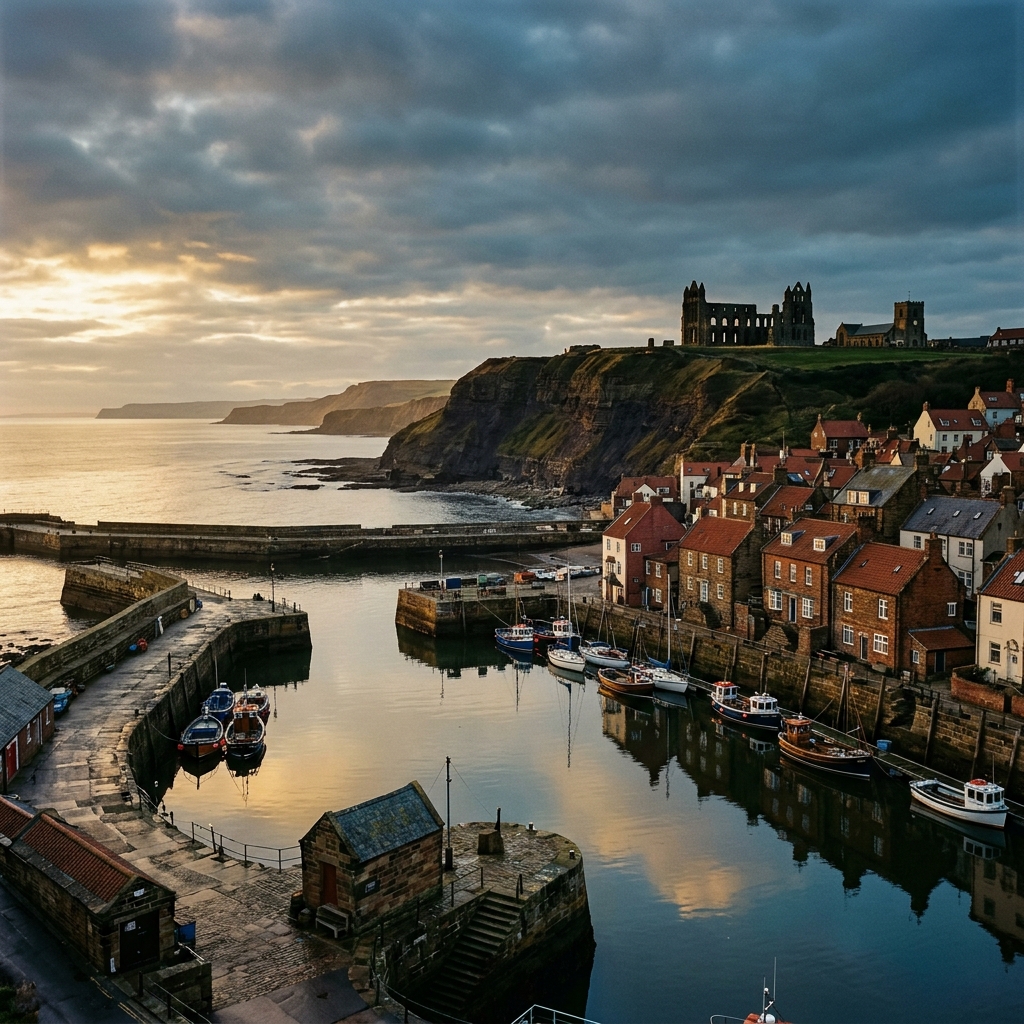
Whitby
Whitby's relationship with the sea is ancient, dramatic and unforgiving. The narrow harbour mouth funnels powerful tidal flows, the West Cliff beach is exposed to open-ocean North Sea swell, and visitors often underestimate how quickly conditions can shift. Cold water, strong tides and sudden weather changes make Whitby one of the most complex environments for a beach lifesaver to operate in.
Knowing Whitby means understanding its headlands, its tidal timing, its surf break and how the harbour current interacts with bathers on the beach.
North Yorkshire
Scarborough
With two distinct bays separated by the castle headland, Scarborough presents contrasting challenges in close proximity. South Bay draws large crowds, offers moderate surf conditions and is the Academy's primary practical training ground. North Bay is less sheltered, more exposed and subject to stronger longshore drift — conditions that test coastal awareness and rescue planning at a higher level.
Scarborough is where beach lifesaving preparation meets real beach operations — flags, patrol zones, public interaction and live surf conditions.
 East Yorkshire
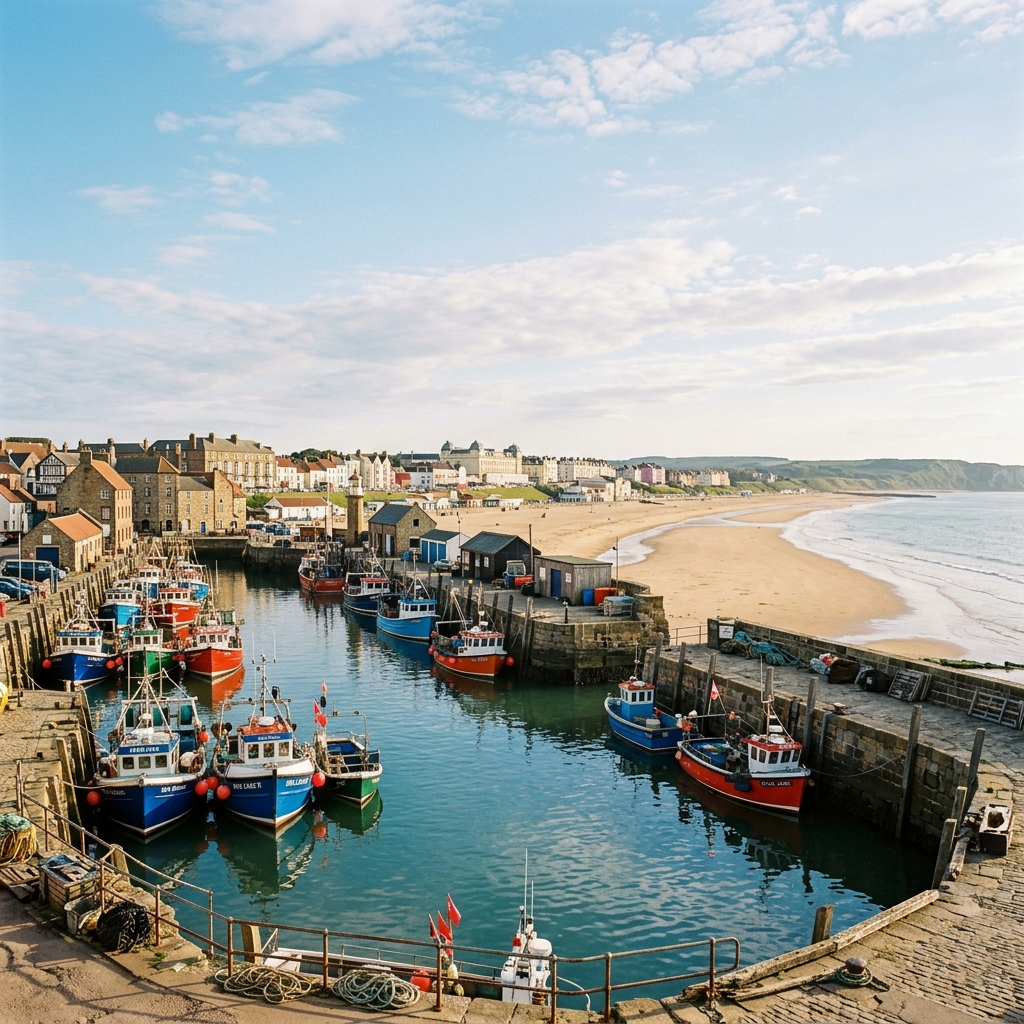
Bridlington
Bridlington's long, sweeping bay and large visitor numbers create a different set of lifesaving challenges — managing extensive beach zones, working alongside the RNLI Bridlington lifeboat station, and dealing with the deceptively calm-looking but powerful offshore conditions that catch families unaware in summer months.
As home to one of Yorkshire's busiest RNLI stations, Bridlington offers Academy candidates direct exposure to real lifesaving operations and a natural gateway into RNLI pathway progression.
Why location-specific training matters
Generic coastal training teaches technique. Yorkshire Lifeguard Academy teaches you to apply that technique in specific, real conditions — the cold, the tide, the current, the crowd — because those are the conditions you'll actually face when it matters most.
Where this takes you
Progression pathways.
Beach Lifesaving Preparation isn't a destination — it's a launch point. Three clear onward pathways open up for candidates who complete the programme.
RNLI Beach Lifeguard Service
The RNLI employs professional beach lifeguards across England and Wales each summer. Beach Lifesaving Preparation provides the foundational awareness and skills that candidates need before entering RNLI Lifeguard Award training — the gateway to seasonal employment on some of Britain's most challenging beaches.
Seasonal employment →Surf Life Saving Clubs
Surf Life Saving Great Britain and its affiliated clubs offer a community, a competition pathway and a volunteer lifesaving framework rooted in surf rescue skills. Academy Beach Lifesaving candidates are well-placed to enter SLSGB training programmes and join local surf lifesaving clubs along the Yorkshire coast.
Community & competition →Beach Lifeguard Employment
Local authorities, private operators and coastal facilities employ trained beach lifeguards throughout the season. Candidates who complete this programme will hold the coastal knowledge, rescue foundation and professional mindset that employers and qualification bodies look for in beach lifeguard candidates.
Employment pathway →Part of the bigger picture
The full Academy pathway.
Beach Lifesaving Preparation sits within the Yorkshire Lifeguard Academy pathway — alongside Rookie Lifeguard, Academy Lifeguard and Pool Lifeguard Preparation. All programmes are designed to connect, enabling candidates to progress at their own pace.
Entry Requirements
Who this programme is for.
Beach Lifesaving Preparation is open to motivated individuals aged 16 and over. No surfing experience is needed — just confidence in the water and a commitment to learning the craft.
Minimum Age
Open to all candidates 16 and over. There is no upper age limit for this programme.
Swim Standard
Candidates should be comfortable swimming 200m continuously in open water or pool conditions, without stopping.
Surf Experience
No surfing experience is required. We teach surf and coastal awareness from the ground up — it's a core part of the programme.
Not sure if you're ready? If you can swim confidently, are comfortable in open water and have a genuine interest in coastal safety, we encourage you to register your interest. The Academy team will discuss your current ability and find the right entry point for you. Previous lifeguard training from Rookie Lifeguard or Academy Lifeguard programmes is an advantage but not a requirement.
Fitness Level
Good general fitness is expected. You'll be running on sand, swimming in surf and carrying equipment — all activities that will build your fitness during the programme.
Cold Water Confidence
Yorkshire's North Sea is cold — even in summer. An openness to cold water is essential. Candidates will be progressively exposed to open-water conditions with full coaching support.
Commitment
This programme runs across multiple sessions including outdoor coastal sessions that may take place in challenging weather. Commitment to attending and persisting through difficult conditions is part of the training.
Common Questions
Your questions, answered.
Everything you need to know about the Beach Lifesaving Preparation programme before you register.
Pool lifeguarding operates in a controlled, predictable environment — fixed depth, clear water, constant temperature, no current or surf. The coastline is almost the opposite. Variables include tidal movement, surf height and frequency, rip currents, wind direction, water temperature, longshore drift, underwater topography and visibility. Victims may be further from shore, harder to spot, and the rescue route is never the same twice. Beach lifesaving demands greater physical capacity, environmental reading ability and independent decision-making. This programme builds those additional capabilities on top of any existing pool-based foundation.
No — absolutely not. You do not need any surfing experience to join Beach Lifesaving Preparation. The programme includes an introduction to rescue board handling and surf awareness from the ground up. What you do need is confidence in the water and a willingness to enter surf conditions as part of your training. Our coaches will introduce you to surf progressively and safely, building your confidence and competency at a structured pace. Surf awareness is a core teaching component of the programme, not a prerequisite for joining it.
Coastal sessions will take place in a wide range of weather conditions — including cold, overcast and windy days. This is intentional. The Yorkshire coast in summer is rarely warm and settled, and learning to operate comfortably and effectively in challenging conditions is central to beach lifesaving preparation. Sessions will not take place in conditions that pose unreasonable risk to candidates, and all activities are assessed and adapted by qualified coaches. You will be advised on appropriate wetsuit and equipment requirements before sessions begin. Embrace the Yorkshire weather — it's part of the education.
Beach Lifesaving Preparation is a development and preparation programme — not a standalone qualification. Its purpose is to build the coastal awareness, rescue capability and physical confidence needed to progress into formal qualification routes, such as the RNLI Beach Lifeguard Award or Surf Life Saving GB programmes. Think of it as the Academy's pre-qualification stage — ensuring candidates arrive at formal qualification training already capable, confident and clear-sighted about what coastal lifesaving actually demands. The Academy team will guide candidates towards the most appropriate qualification pathway based on their ambitions and progress.
The RNLI employs hundreds of seasonal Beach Lifeguards each year and requires candidates to complete the RNLI Beach Lifeguard Award before deployment. This award has physical and skills prerequisites that our Beach Lifesaving Preparation programme is specifically designed to help candidates meet. Beyond qualification, Yorkshire Lifeguard Academy maintains relationships with RNLI lifeguard operations and can support introductions for candidates serious about pursuing RNLI service. Bridlington's prominent RNLI station also provides Academy candidates with direct exposure to operational lifesaving as part of the programme's Yorkshire coast context work.
Ready to begin?
The Yorkshire coast
is waiting.
If the sea has always called to you — if you've watched the lifeguards at Scarborough or Whitby and wondered how to become one — this is where you start. Register your interest today and a member of the Academy team will be in touch.
Programme Summary
Or explore other Academy programmes — view all programmes