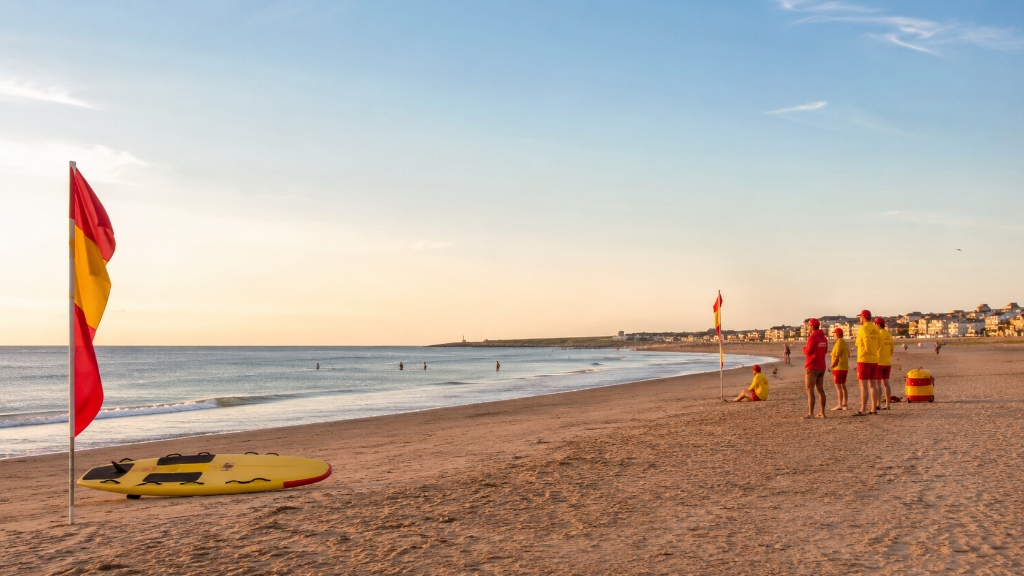
Young lifesavers on the Yorkshire coast — Graduate Lifeguard Programme
SLSGB Graduate Lifeguard Programme · Ages 13–18

Youth / Graduate Lifeguard Programme.

The SLSGB Graduate Lifeguard Programme is a structured three-year youth pathway for young people aged approximately 13–18. It develops surf lifesaving skills, beach safety knowledge, teamwork, leadership, fitness, communication and readiness for formal lifeguard qualifications from age 16, through progressive and age-appropriate training. It is a youth development pathway, not a professional lifeguard qualification in itself — young people are developing towards lifeguarding, not yet acting as qualified operational lifeguards.
SLSGB Graduate Lifeguard Programme
Ages approx. 13–18
Three-year structured pathway
Preparation for lifeguard qualifications
About the Graduate Programme

The pathway from Nipper to lifeguard.

The Graduate Lifeguard Programme is the SLSGB structured development pathway for young people aged approximately 13–18. It builds water safety awareness, beach knowledge, rescue skill foundations, communication, leadership and confidence, helping participants prepare for formal lifeguard qualifications from age 16.

The programme bridges the gap between the children's Nipper pathway and adult club membership. Young people who complete the programme should be better prepared to progress towards SLSGB adult membership, NVBLQ beach lifeguard qualification or other formal lifeguard pathways, subject to age, ability, readiness and qualification entry requirements.

The Graduate Lifeguard Programme develops more than lifesaving skills — it builds confidence, communication, leadership and a genuine sense of belonging to a coastal lifesaving community.

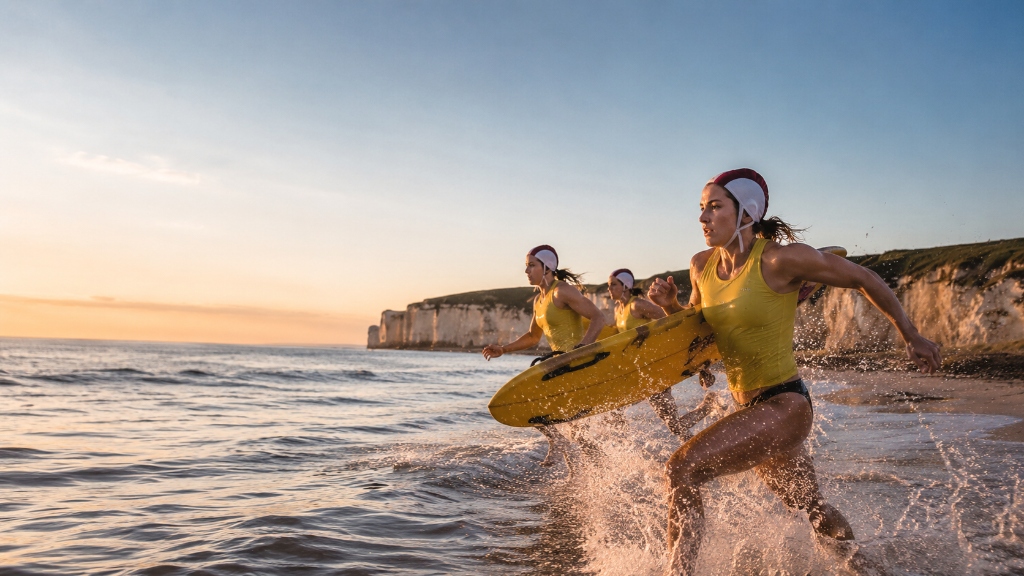
Young lifesavers training on the East Yorkshire coast
Who this pathway is for

For young people aged approximately 13–18.

The Graduate Lifeguard Programme is for young people who want to develop surf lifesaving skills, beach safety knowledge, teamwork, leadership and readiness for future lifeguard qualifications. It is suitable for those progressing from Nippers, and may also suit confident swimmers or young people with relevant water safety, lifesaving, swimming or surf experience.

Before joining, we may discuss age, swimming ability, water confidence, sea experience, maturity and the most suitable starting point.

Ask about entry and readiness
Safe, supervised and progressive

Developing towards lifeguarding, not replacing qualified lifeguards.

Graduate Lifeguard activity is introduced progressively and in an age-appropriate way. Beach, ocean, pool and practical rescue activity will always depend on age, ability, supervision, safeguarding arrangements, risk assessment, weather, sea conditions and individual readiness.

Young people are developing towards lifeguard qualifications — they are not treated as qualified operational lifeguards before assessment and certification. The programme does not authorise young people to supervise others near water or attempt rescues independently. Any patrol-style learning or practical rescue activity is educational, supervised, age-appropriate and risk-assessed — it is delivered as training, not operational deployment.

Not every session will involve entering the sea. Sea entry is never guaranteed and will only take place where conditions, supervision and risk assessment support safe activity.

Three-Year Structured Development

The Graduate Lifeguard Programme

Three progressive years of development, each building on the last towards lifeguard readiness through supervised, age-appropriate training.

Year 1

Foundations

The first year builds beach knowledge, basic life support, communication skills and swimming and board competency as the foundation for the three-year pathway.

  • Beach knowledge and coastal awareness
  • Basic life support and first aid
  • Communication skills
  • Swimming and board competency
  • Introduction to radio communication
Ask about the Graduate Programme
Year 2

Developing Judgement

The second year develops communication, decision-making, lifeguard-style skills, first aid awareness, environmental understanding and progressive rescue skill development.

  • Radio communication
  • Developing supervised lifesaving judgement, communication and rescue-readiness skills
  • First aid awareness and emergency response principles
  • Environmental and coastal awareness
  • Progressive rescue skill development
Ask about the Graduate Programme
Year 3

Pre-Qualification

The final year develops more advanced, supervised rescue skills, patrol awareness, intermediate first aid, leadership and preparation for formal lifeguard qualifications.

  • More advanced, supervised rescue skill development
  • Understanding patrol roles, beach safety systems and supervised club support tasks
  • Intermediate first aid
  • Preparation for NVBLQ and formal qualifications
  • Leadership and team contribution
Ask about the Graduate Programme
Connected pathways

Where the Graduate Programme leads

Young people who complete the Graduate Lifeguard Programme should be better prepared to take the next step, subject to age, ability and qualification entry requirements.

What comes next — NVBLQ

Beach lifeguard qualification from age 16 — a possible next step for suitable Graduate Programme completers who meet the current entry requirements. NVBLQ can support progression towards beach lifeguarding, subject to qualification, employer and role requirements.

View NVBLQ →

Surf Lifesaving Sport

Young people can also compete in SLSGB youth surf lifesaving sport throughout the programme, developing fitness, rescue skills and teamwork.

View Surf Lifesaving Sport →

Adult Membership

Graduates can progress into adult SLSGB membership, volunteering, coaching and a wider lifesaving and beach safety role within the club and the community.

View Adults Pathway →
What parents should know

A development pathway, not a lifeguard qualification.

The Graduate Lifeguard Programme is a youth development pathway for young people aged approximately 13–18. It is not a professional lifeguard qualification and does not authorise young people to act as lifeguards, supervise others near water or attempt rescues independently.

Young people develop beach safety awareness, surf lifesaving skills, fitness, leadership, communication, first aid awareness, teamwork and rescue-readiness in a supervised and age-appropriate way. Activity may be beach-based, pool-based, dry-side or water-based depending on age, ability, weather, sea conditions, supervision and risk assessment.

The programme is not only about future qualifications. It is also about belonging to a surf lifesaving club, developing confidence, supporting others, learning leadership and becoming part of a coastal safety community.

Any patrol-style learning, beach safety support or practical rescue activity is educational, supervised and age-appropriate. Young people are not deployed as operational lifeguards unless they are appropriately qualified, supervised and working within an agreed event, club or partner framework.

Is this the right stage?

This pathway may be suitable for young people who:

  • Are aged approximately 13–18
  • Are confident swimmers
  • Can follow instructions and work safely in a group
  • Are interested in surf lifesaving, beach safety, volunteering, sport or future lifeguarding
  • Are ready for more responsibility than Nippers
  • Want a structured youth pathway before adult membership or formal qualifications

If a young person is newer to surf lifesaving or still building confidence, the Nipper pathway or a different starting point may be more suitable. Contact us to discuss the best approach.

Interested in the Graduate Lifeguard Programme?

Contact East Riding Surf Life Saving Club and tell us the young person's age, swimming ability, water confidence, previous lifesaving or surf experience, and whether they are interested in lifeguarding, sport, volunteering or general surf lifesaving.