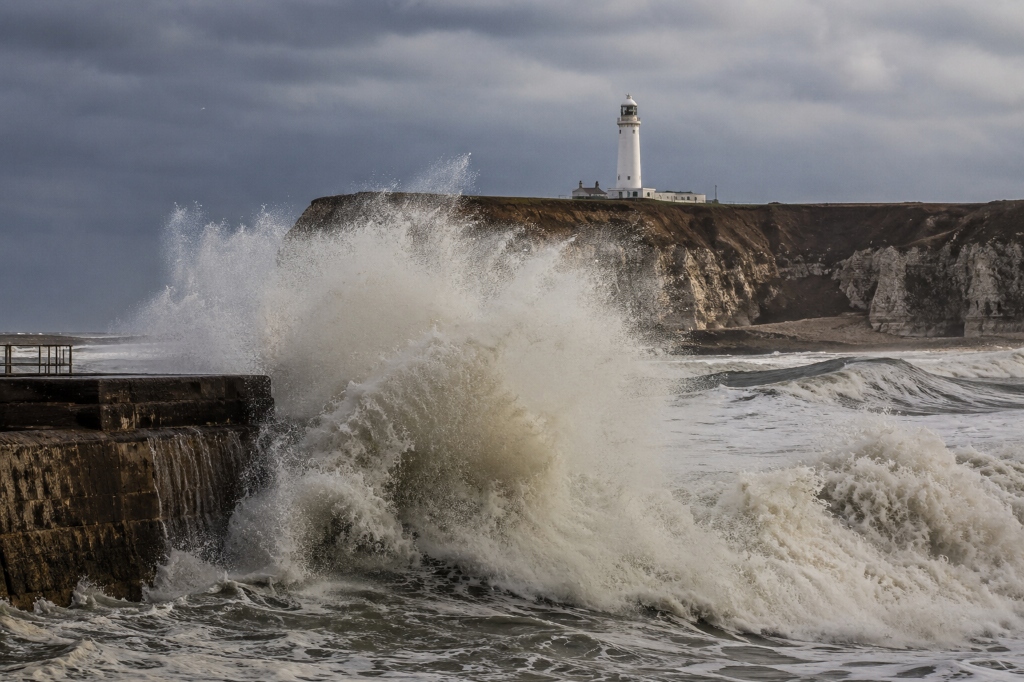
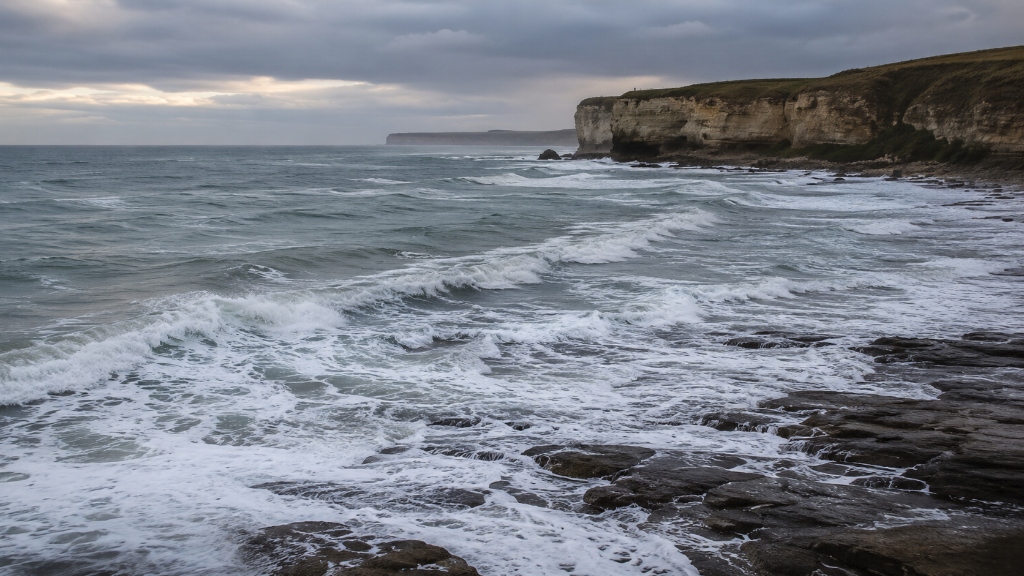
The North Sea — Yorkshire coast water safety
Yorkshire Lifeguard Academy

Water safety
starts with knowledge.

Practical water safety education for schools, families, community groups, venues and organisations across East Yorkshire and the Yorkshire coast. Yorkshire Lifeguards helps people understand local water risks, make safer choices around water and know what to do when something goes wrong — with clear progression into lifesaving, first aid, lifeguarding and coastal safety pathways where appropriate.

Yorkshire Lifeguard Academy
Schools & Community Sessions
Beach & Coastal Safety
Cold Water Awareness
Part of the Academy

The knowledge foundation for safer choices.

Water safety education sits within Yorkshire Lifeguard Academy as the knowledge foundation for swimmers, Rookie Lifeguards and Academy members. It is also available as standalone education for schools, families, community groups, venues and organisations that want practical, age-appropriate water safety awareness without joining the Academy pathway.

The North Sea is powerful and cold. Yorkshire's rivers, reservoirs and inland water sites carry real risk. The coast from Bridlington to Whitby sees water-related incidents every year. Better water safety understanding can help people recognise risk earlier, make safer choices and know how to raise the alarm when something goes wrong. That is why water safety education matters here — and why it is part of what Yorkshire Lifeguards does.

Water safety education sessions are available to schools, community groups, youth organisations, families and venues across East Yorkshire. Contact us to enquire about a session.

Delivered responsibly

Water safety sessions are educational and awareness-based. They can be adapted for age, setting and audience, and are delivered with appropriate safeguarding, supervision, risk assessment and respect for venue or school procedures. They do not replace lifeguard provision, venue operating procedures, formal risk assessments, supervision policies or emergency plans. They also do not qualify participants to supervise water activity, act as lifeguards or attempt rescues. Sessions can support existing safety messaging, staff awareness, visitor education and community engagement, while remaining aligned with the host venue's procedures and responsibilities.
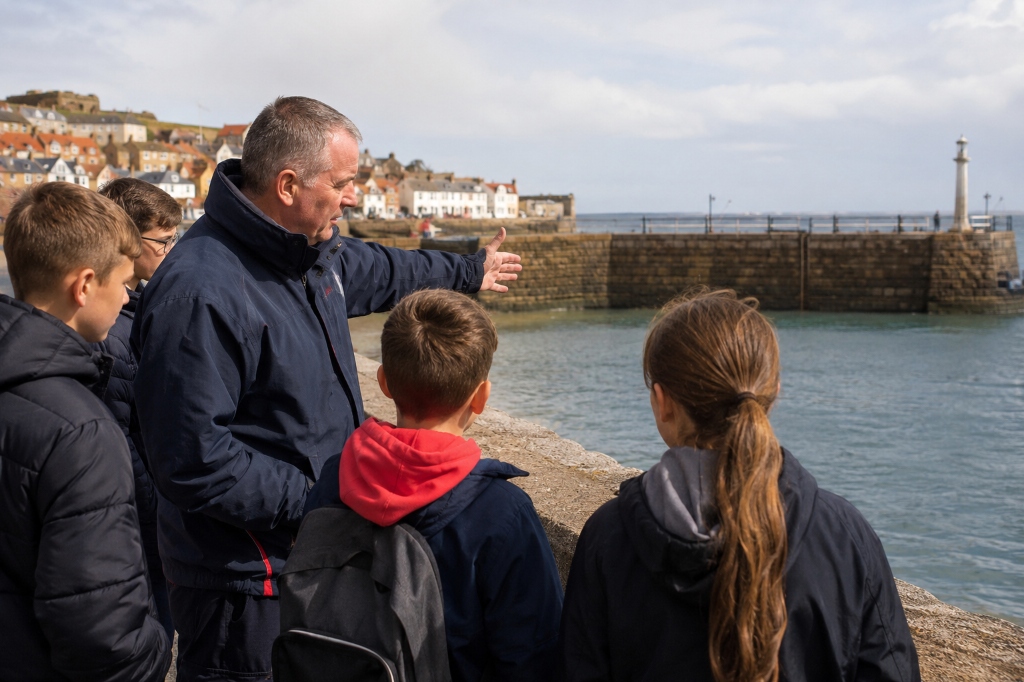
Adult and young person at the Yorkshire harbour edge — water safety education at the quayside, North Sea beyond
What we cover

Water safety that is relevant to Yorkshire

Sessions are grounded in recognised water safety principles and made relevant to the real water environments that Yorkshire children, families and communities encounter — from beaches and harbours to rivers, reservoirs, canals and flood water.

Coastal

Beach & Coastal Safety

Understanding rip currents, tides, breaking waves and the specific risks of Yorkshire beaches from Bridlington and Cayton Bay to Filey, Scarborough and Whitby. What to do and what to watch out for.

Coastal

Cold Water Shock

The North Sea is cold year-round. Cold water shock is a major factor in UK open-water incidents and is often poorly understood. Sessions explain the physiological response, why it happens and how to manage it.

Inland

Inland Water Safety

Rivers, reservoirs, quarry lakes, canals and drainage ditches present very different risks to coastal water. Covering the specific hazards of inland open water in East Yorkshire and beyond.

Inland

Flood Water Awareness

East Yorkshire and the Humber region experience flooding regularly. Flood water carries unique dangers — fast-moving, contaminated and unpredictable. Understanding why to stay out of it.

Knowledge

Throw, Don't Go

Teaching people to help without putting themselves in danger: call for help, tell the person to Float to Live, throw something that floats, use public rescue equipment where available — and do not enter the water yourself. Practical, memorable and potentially life-saving.

Knowledge

Calling for Help

How to raise the alarm in different water environments: at the coast, call 999 or 112 and ask for the Coastguard; inland, call 999 and ask for Fire and Rescue; at a managed venue, alert staff or lifeguards and follow local emergency procedures. Sessions can also cover what information to give, how to use public rescue equipment safely and why entering the water to rescue someone can put you in danger.

Family

Family Water Safety

Practical sessions for families — parents, carers and children together — covering safe beach visits, supervising young swimmers, what to look for on a beach and how to enjoy coastal Yorkshire safely. Suitable for families who want practical, age-appropriate guidance before visiting beaches, harbours, rivers, reservoirs or open-water sites.

Signposting

Pathway Signposting

Every water safety session connects to the next step. Children who develop an interest in lifesaving are signposted directly into the Yorkshire Lifeguard Academy Rookie Lifeguard pathway.

Schools

Curriculum-Linked Education

Water safety education for primary and secondary schools, linked to PSHE, PE and RSHE frameworks. Assemblies, classroom sessions and practical demonstrations.

Session formats can include

School assemblies

Classroom sessions

Youth group workshops

Family water safety talks

Venue staff awareness sessions

Coastal visitor sessions

Throwline demonstrations

Float to Live & beach flag awareness

Bespoke venue or event sessions

Water safety at a glance

What schools, venues and groups should know

Suitable for

Schools, families, youth groups, community groups, venues and organisations — standalone or as part of the Academy pathway.

Session formats

Assemblies, classroom sessions, workshops, family talks, staff awareness, venue sessions, throwline demonstrations and bespoke event sessions. Adapted to age, key stage and setting.

Settings covered

Beaches, harbours, rivers, reservoirs, canals, flood water and managed venues across East Yorkshire and the Yorkshire coast.

Emergency advice in sessions

At the coast: 999 or 112, ask for the Coastguard. Inland: 999, ask for Fire and Rescue. At a managed venue: alert staff or lifeguards and follow local procedures.

Delivery approach

Educational and awareness-based. Adapted to age, audience and setting. Delivered with appropriate safeguarding, supervision and respect for venue or school procedures.

Important note

Sessions do not replace lifeguard provision, venue procedures, formal risk assessments or emergency plans. They also do not qualify participants to supervise water activity, act as lifeguards or attempt rescues.

Who we work with

Water safety for everyone near the water

Schools

Primary and secondary schools across East Yorkshire and beyond. Assembly sessions, classroom delivery and curriculum-linked water safety education for all year groups.

  • PSHE, PE and RSHE curriculum links
  • Primary and secondary delivery, adaptable by key stage and year group
  • Assembly and classroom formats including enrichment and workshop delivery
  • Pathway into Rookie Lifeguard for interested pupils
Enquire for Your School

Families & Community Groups

Practical water safety education for families visiting the Yorkshire coast, youth groups, community organisations and anyone who wants to understand the water they spend time near.

  • Family beach safety sessions
  • Community group delivery
  • Youth club and Scout/Guide groups
  • Coastal visitor awareness
Enquire for Your Group

Venues & Organisations

For leisure centres, pools, holiday parks, open-water venues, schools, clubs and community organisations, water safety sessions can support staff awareness, visitor education, family safety messaging and a stronger safety culture. Sessions should always sit alongside the venue's own operating procedures, risk assessments, supervision arrangements, emergency plans and safeguarding requirements.

  • Staff water safety awareness for customer-facing, activity, reception, teaching and venue teams
  • Visitor and guest safety education
  • Holiday park and open-water site sessions
  • Progression into Rookie Lifeguard or Academy
Enquire for Your Venue
Waves breaking over a harbour wall — Flamborough Head lighthouse on the cliff beyond, North Sea in winter
Why Yorkshire

Our coastline demands respect

The Yorkshire coast is beautiful, exposed and demanding. The North Sea is cold, powerful and unpredictable. Rip currents, tidal changes and cold water are real risks, not abstract ones.

Serious incidents occur on Yorkshire's coastal and inland waters. The aim of water safety education here is not to frighten people away from the coast — it is to give them the knowledge they need to enjoy it safely, to recognise danger, and to know what to do when something goes wrong.

Every water safety session delivered by Yorkshire Lifeguards is grounded in recognised water safety principles and made relevant to the real water environments Yorkshire children, families and communities encounter — from this coastline's beaches and harbours to its rivers, reservoirs and inland sites.

  • Bridlington, Cayton Bay, Filey, Scarborough, Whitby
  • East Yorkshire rivers, reservoirs and inland sites
  • Cold North Sea — year-round cold water risk
From knowledge to action

Water safety is just the beginning

Water safety can be the first step into a wider lifesaving and lifeguarding pathway. From an introductory session, young people and confident swimmers may progress into Rookie Lifeguard, the Lifeguard Academy, first aid, lifesaving sport and lifeguard preparation. The aim is to help more local people understand water, respect risk and develop skills to support safer communities.

1

Water Safety Session

Knowledge, awareness and understanding of water risks. The foundation.

2

Rookie Lifeguard

RLSS Rookie Lifeguard Pool and Beach programmes — active lifesaving skills.

3

Academy & Beyond

National Lifesaving Academy, lifeguard qualifications and lifesaving sport.

Connected pathways

Where water safety leads

Water safety is the foundation. These pathways take it further.

Enquire about water safety sessions

Contact Yorkshire Lifeguards to discuss a water safety session for your school, group, venue or organisation. Tell us who the session is for, the age group, setting, location and what water risks are most relevant — and we will discuss the best approach.